
1882
The Kodokan opens
Jigoro Kano founded Kodokan Judo in Tokyo, shaping techniques from traditional jujutsu into a modern system of physical education and personal development.
Tradition in motion
Judo began as more than a fighting system. It was created as a way to train the body, sharpen the mind, and help people grow together. That purpose still guides every class at South Bay Judo.
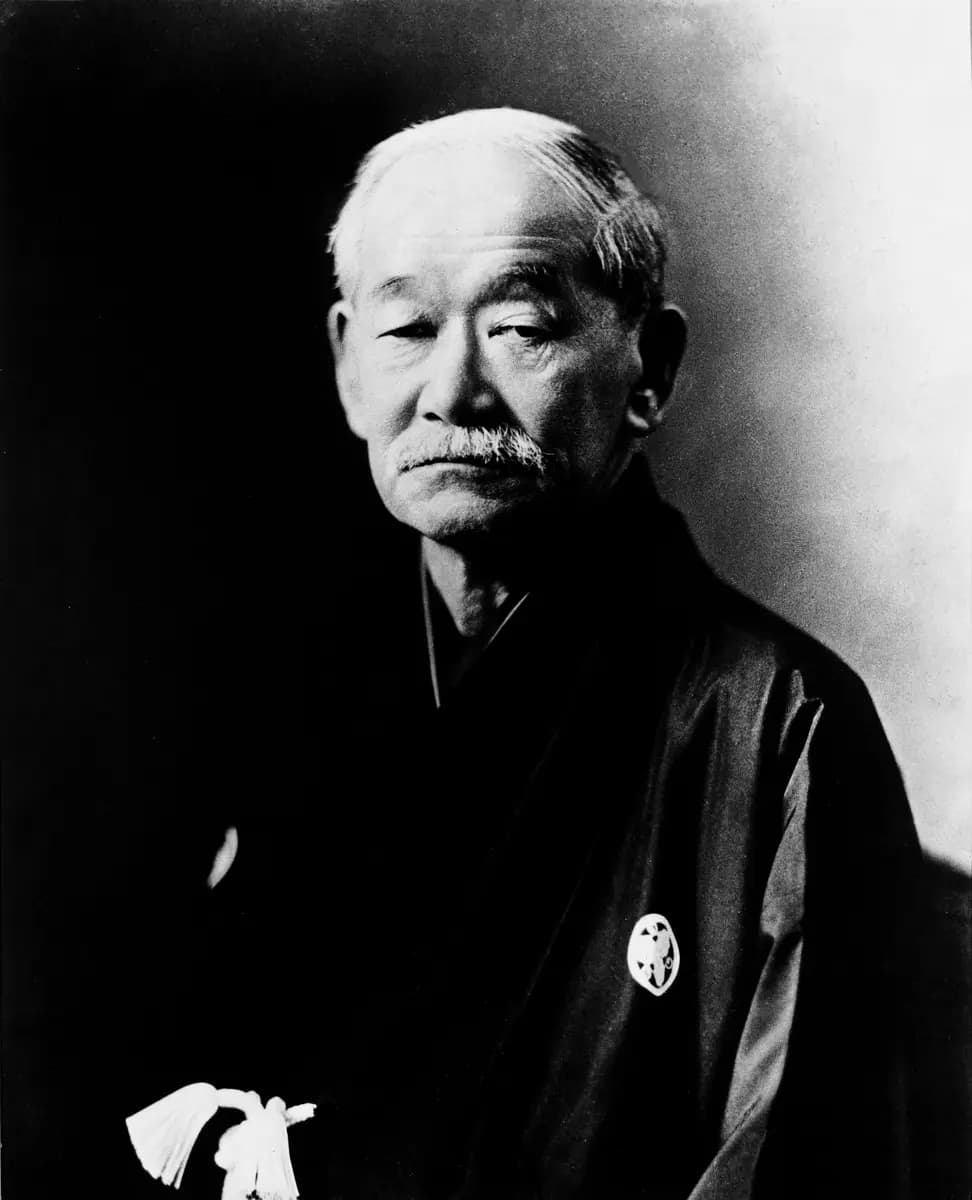
Jigoro Kano
Founder of Kodokan Judo
The gentle way
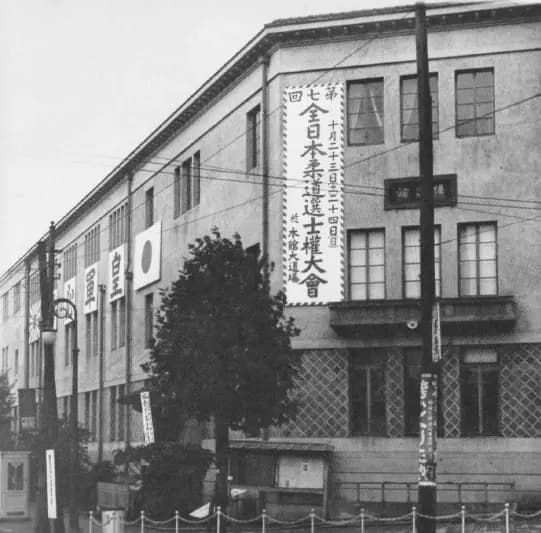
1882
Jigoro Kano founded Kodokan Judo in Tokyo, shaping techniques from traditional jujutsu into a modern system of physical education and personal development.
1964
Men’s judo made its Olympic debut at the Tokyo Games, bringing the sport to an even wider international audience.
1992
Women’s judo became an official Olympic medal sport at the Barcelona Games after appearing as a demonstration event in 1988.
Today
Judo is practiced around the world as a competitive sport, a method of self-defense, and a way to build confidence, discipline, and respect.
Kano’s guiding ideas
Seiryoku-Zenyo
Use mind and body efficiently. On the mat, that means timing, balance, and technique instead of relying on strength alone. Away from the mat, it means applying effort thoughtfully.
Jita-Kyoei
We improve through one another. Every safe throw, respectful bow, and helpful training partner reflects the idea that individual progress and the well-being of the group belong together.
Our club
What started with eight students in a community arts center grew through volunteer effort, local support, and a shared love of judo.
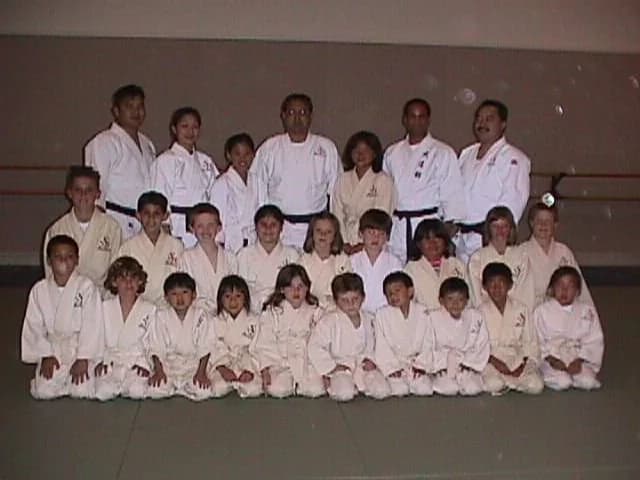
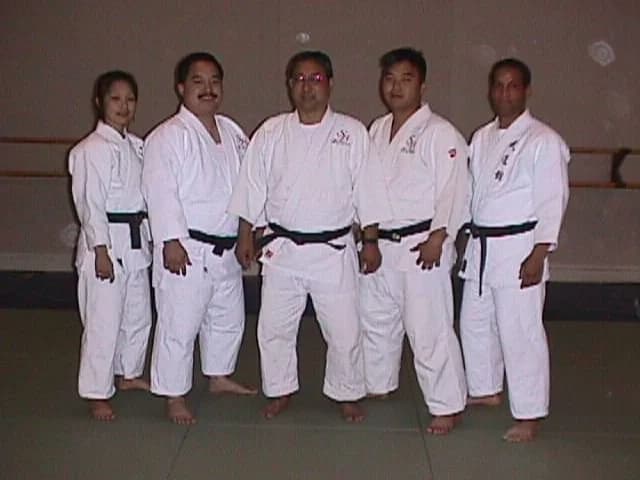
Sept. 27, 1999
Ed and Joan Shiosaki founded the club with support from the City of Torrance, the Torrance Cultural Arts Center, and Parks and Recreation. The first class had four instructors and eight students.
First session
The club grew quickly, even while practicing on soft gymnastics mats that connected on only two sides. The equipment was modest, but the community and the joy of training were already strong.
A few years later
A successful Super Bowl fundraiser—supported by members, friends, local businesses, sponsors, and neighboring clubs—helped purchase approximately 775 square feet of tatami mats.
Today
South Bay Judo now trains at the Dee Hardison Sports Center in Wilson Park. The nonprofit Torrance Charter Program is still powered by volunteer instructors and staff serving youth, families, and adults.
Carry the tradition forward
Historical references: Kodokan Judo Institute, Olympics.com, and the South Bay Judo archive. Jigoro Kano portrait: Wikimedia Commons, public domain. Kodokan building photograph: Wikimedia Commons, public domain.